Programming
S.A.S. Auto Service
Reliable Repairs. Transparent Pricing. Mobile Convenience.
Programming S.A.S. Auto Service
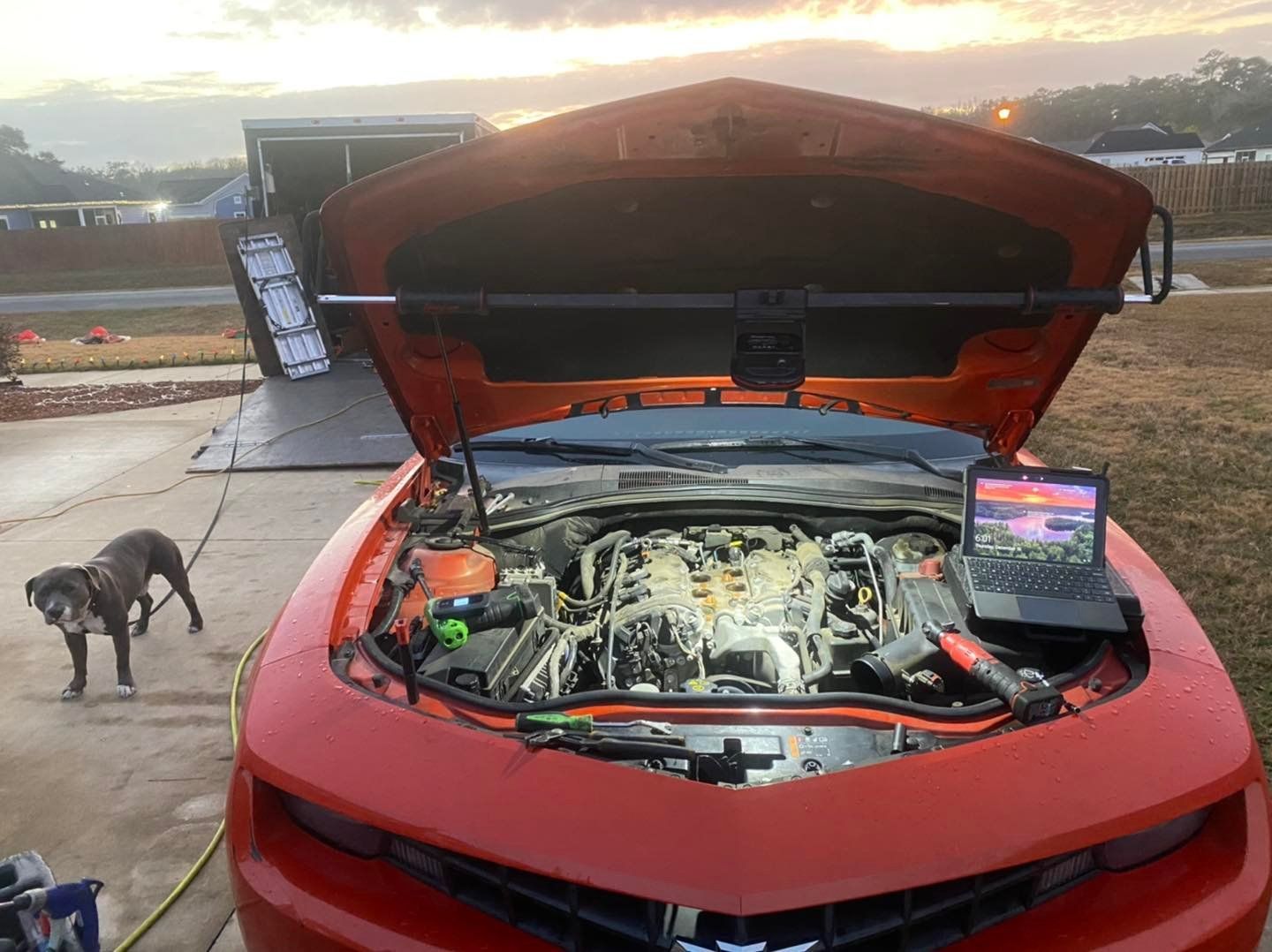
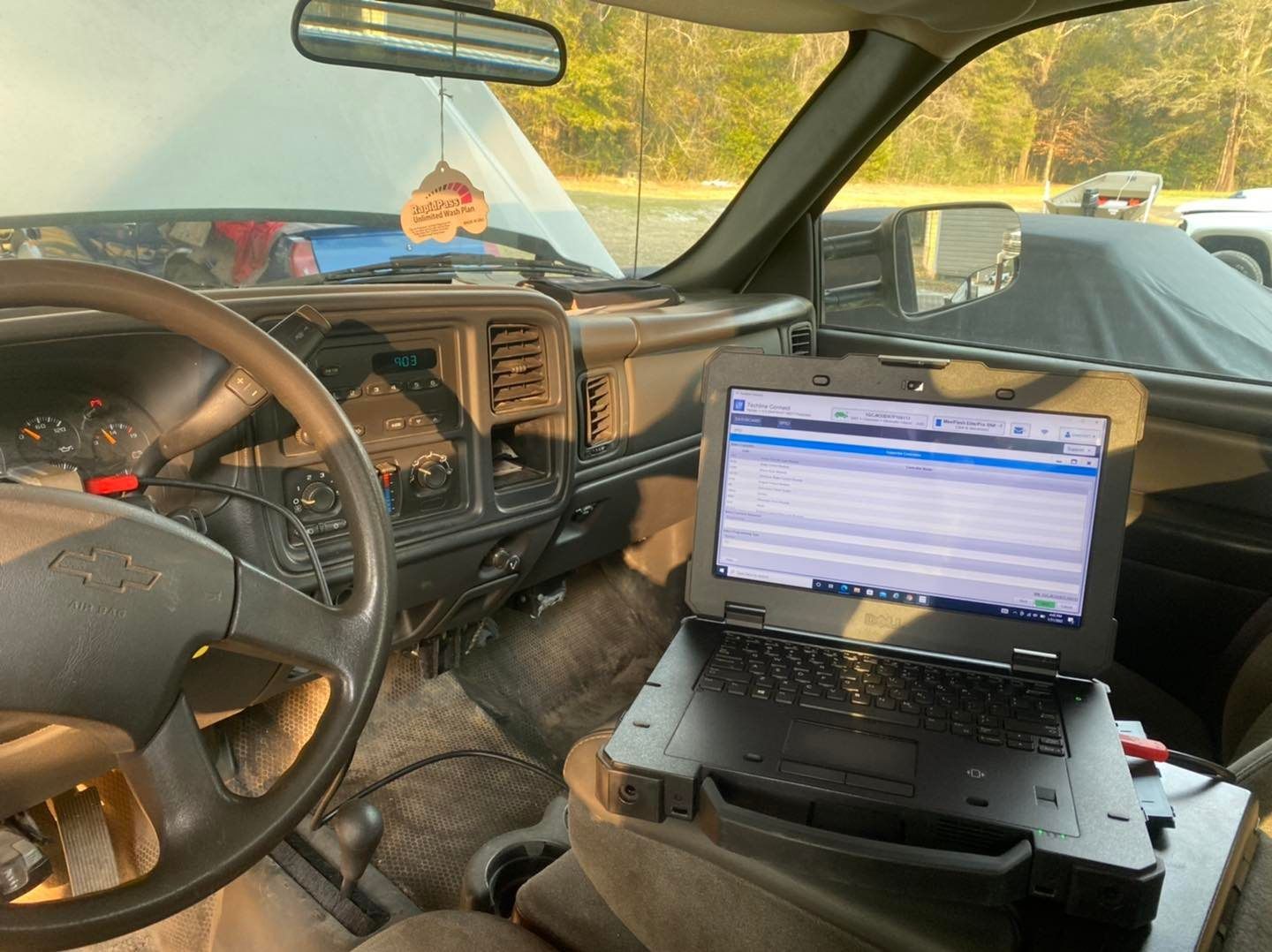
Vehicle electronic control units (ECUs) and onboard modules are central to modern automotive performance and safety. At S.A.S. Auto Service, our programming services address the software side of vehicle repairs—ensuring that new or repaired modules communicate correctly, sensors are calibrated, and system adaptations are updated. Since 2018 we’ve invested in modern diagnostic and programming tools to handle ECU updates, module replacements, key programming, immobilizer resets, and adaptive learning procedures. Accurate programming is critical after repairs to avoid drivability issues, warning lights, or compromised safety systems.
Why programming matters for your vehicle
Functionality: Many systems rely on software to control fuel delivery, transmission shifting, braking (ABS/ESC), airbag deployment, and climate control. Improperly programmed modules can inhibit these systems.
Safety: Safety systems like airbags and anti-lock brakes require correct calibration to function in an emergency.
Emissions and performance: Engine control programming affects fuel trim, ignition timing, and emissions control; incorrect programming can cause failures and poor fuel economy.
Diagnostics resolution: Programming often clears learned faults or historical adaptions that could otherwise mask new problems or create persistent issues.
Key and immobilizer integration: Replacing or programming keys prevents unauthorized vehicle starts and ensures the immobilizer system functions.
Key benefits of professional programming
OEM-aligned procedures
We follow recommended procedures for programming and use tools that support common manufacturer requirements.
Minimized errors
Eliminates guesswork that can lead to repeated failures and additional costs.
Integrated verification
Post-programming diagnostics ensure the module and all related systems communicate properly.
Reduced downtime
Our technicians streamline programming operations to minimize the time your vehicle is off the road.
Insurance and documentation
We provide records of programming and calibration—important for claims or resale.
Common programming services we provide
ECU/PCM programming and reflashing
Updating or reprogramming the engine control module after replacements or software updates.
TCU and transmission module programming
Reprogramming the transmission control unit during repairs or after replacement to prevent shifting issues.
ABS/ESC module calibration
Resetting and programming braking modules after repairs to ensure safety system integrity.
Airbag module handling
Properly programming new or reset modules and verifying readiness to protect vehicle occupants.
Key fob programming and immobilizer resets
Programming new keys, disabling lost keys, and ensuring immobilizer security.
Body control module (BCM) programming
Restoring body electronics functions such as lighting, locking, and window controls after BCM replacement.
Tire pressure monitoring system (TPMS) registration
Registering sensors after replacement or wheel changes to prevent warning lights.
Sensor calibrations
Steering angle sensor (SAS) and other sensor calibrations required after suspension or alignment work.
How our programming process works
1. Intake and verification: We verify the vehicle’s VIN, identify software versions, and confirm necessary vehicle security protocols.
2. Backup and data capture: We save original calibration data when possible and document the vehicle state prior to programming.
3. Secure programming: Using manufacturer-compatible tools, we perform reflash or module coding following OEM instructions.
4. Relearn and adaptation: Many modules require adaptation or idle relearns; we complete these procedures as part of the programming workflow.
5. Post-programming verification: Full system scans and functional tests verify successful programming and absence of communication or fault codes.
6. Documentation and warranty: We provide documentation of the programming performed and any warranty applicable.
Why you should not attempt DIY ECU programming
- Specialized equipment required: OEM-level programming requires licensed software and secure connections. Consumer-level tools can cause irrecoverable module states.
- Risk of bricking: Incorrect programming steps or interrupted updates (due to battery depletion or lost communication) can leave modules inoperable.
- Security protocols: Modern vehicles often use anti-theft measures requiring specialized procedures for successful programming.
- Calibration needs: Programming frequently requires post-procedural calibrations and relearns that must be performed correctly to avoid drivability or safety issues.
Real-world examples where programming is necessary
- After replacing a throttle body or ECU, the system may require adaptations to restore proper idle control and throttle responsiveness.
- A transmission replacement often requires TCU programming to ensure correct shift mapping and torque management.
- Replacing a battery or disconnecting power on some models can cause module communication errors that are resolved by reprogramming or resyncing modules.
- Key replacement or BCM replacement requires programming to authorize new keys and disable lost ones.
How to prepare your vehicle for programming
01
Ensure battery is fully charged or connected to a stable power source during programming.
02
Bring vehicle documentation and any relevant service records.
03
Inform our service advisor of previous module or electrical repairs.
04
Avoid interrupting the procedure once programming begins.
the importance of professional programming
Programming is not a convenience—it's a necessary step after many modern repairs. When done correctly, programming restores functionality, safety, and performance of vehicle systems. S.A.S. Auto Service has the tools, expertise, and procedures to complete programming accurately with thorough verification, giving you confidence in your vehicle’s electronic systems.